

Tired of temples? Need to escape Tokyo and reconnect with nature? Or maybe you just want something active to offset all the hours of riding in trains and buses. If so, Lake Kawaguchi (Kawaguchi-ko in Japanese) and the surrounding area is for you.
Most visitors only know Kawaguchi-ko as the main approach to Fuji. Actually, the lake is the gateway to the Fuji Five Lakes district, an area rich with possibilities. The forested hills, serene lakes, and (if you’re lucky) views of Mt. Fuji make Kawaguchi-ko and neighboring Sai-ko excellent destinations for outdoor activities.
You can canoe around the lake or explore the forest on an ATV. You can hike. You can enjoy some cycling or even go caving. Kawaguchi-ko has it all.

Enjoy some rest after your busy day in one of the many excellent onsen in the area. Don’t miss the collection of unusual museums.
Kawaguchi-ko is such a perfect escape it’s hard to believe it’s only a few hours away from Tokyo.
What You Can Do in Kawaguchi-Ko

Lake Kawaguchi is the most popular of Fuji’s Five Lakes. It has the most tourist facilities, with lots of hotels and ryokan on the eastern shore.
The western half of the lake is relatively untouched. The beautiful forest comes all the way down to the road and encircles the lake.
You can see Mt. Fuji from any side of the lake. Unfortunately, the frequent clouds make it difficult to catch more than a fleeting glimpse of the mountain.
Activities

Don’t hang around and wait for the clouds to clear. Kawaguchi-ko has lots of options for travelers who want to have some outdoor fun.
Biking

Several bike rental shops operate near Kawaguchi-ko Station.
My recommendation: Ebisuya offers bikes for 500 yen an hour or 1500 yen for a day.
Rent an electric bike if you want to cycle Kawaguchi-ko and Saiko-ko. You can get them for 2,600 yen for the day.
It takes roughly two hours to cycle around Kawaguchi-ko. It takes three to four hours to cycle Kawaguchi-ko and Saiko-ko.
There’s no dedicated bike path; you have to bike on the road. Depending on the season, the road will be either deserted or very busy.
For More Information on Bike Rentals
Boating

If you want to take full advantage of Kawaguchi-ko, get out on the water.
Country Lake Systems rents what it calls “Canadian canoes”(open canoes). They start at 5,400 yen per adult for a two-hour rental.
Country Lake Systems provides boats, life jackets, and basic instruction. No one at the shop speaks much English, but we found it easy to communicate.
For More Information on Canoe Rentals
Country Lake Systems Canoe Rentals Page
Cormorant Island (Unoshima Island)

Don’t miss a visit to Cormorant Island when the weather allows it. It’s the only island within the Five Lakes. The experience is worth the price.
We arrived on a misty spring day. Rowing across Kawaguchi-ko energized us after our long trip to the Five Lakes area. We floated along on the surface of the lake, surrounded by majestic hills. Mt. Fuji loomed in a distant cloud.
The experience was the perfect antidote to Tokyo’s rush. My companions agreed it was the highlight of their Five Lakes trip.
For More Information
Other Adventure Type of Activities
There are lots of other activities you can try. Most companies only operate during the summer; Country Lake Systems stays open year round. They offer ATV rental and caving trips in addition to canoes.
For More Information
Country Lake Systems Activities Page
Hiking

You have many hiking options around Kawaguchi-ko.
If you like fall colors, you’ll love the easy walking tracks around the lake. The tracks get popular when the leaves change in autumn.
You also have Nordic walking, trekking, and running options.
For More Information
Fuji Kawaguchi-ko Outdoor Activities Page
Lake Sai: Lava Caves

Lake Sai (Sai-ko in Japanese) is smaller and has less of a view of Fuji than its neighbor, Kawaguchi-ko. The lake is easy to reach on the bus serving Kawaguchi-ko.
It’s less developed, making it a great destination for fishing, windsurfing, and hiking. There are several decent campsites around the lake.
Lava Tunnels
Sai-ko’s main attractions are the lava tunnels. The tunnels formed from lava emitted by Mt. Fuji. As the lava cooled, the outside solidified while the molten insides kept moving.
The Three Caves
Three caves are open to the public.
The Bat Cave

The biggest and best-known cave is the Lake Sai Bat Cave.
The 350m long cave is cool in summer and warm in winter, making it the perfect roost for a colony of bats. As the five lakes area developed, the bats were threatened with extinction. The bat cave now includes a preservation area, and part of the cave’s profits are used to protect the population.

You won’t be able to see where the bats sleep during the day. You will get to climb through the lava cave wearing a helmet.
Visit the cave if you have even a passing interest in Batman. You can tell your friends you visited the Batcave! The cafe has a cool collection of Batman memorabilia.
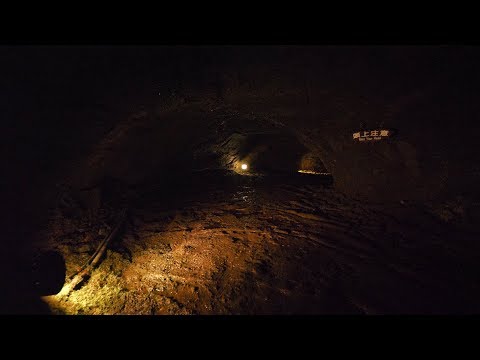
Check out the video walk-through to experience it for yourself.
The bat cave walkthrough starts around 3:27:
Hours
- 9:00am – 5:00pm (last entry 4:30pm)
- Closed: December 1st – March 19th
Admission
- Adults (High School Students and Older): 300 yen
- Children (Elementary and Middle School Students): 150 yen
For More Information
The Ice Cave

The Ice Cave, Narusawa-hyoketsu, is well named. The temperature in the cave drops below freezing even in the summertime.
The cave has been used as a natural refrigerator since the 1900s. Some of the ice preserves tree remains from 1,100 years ago.
The path through the cave is slippery but very atmospheric. It’s a short walk from the Wind Cave.
Check out the video below:

Hours
- November 1st – November 15th: 9:00am – 4:45pm
- November 16th – March 15th: 9:00am – 4:15pm
- March 16th – March 31st: 9:00am – 4:45pm
- April 1st – April 28th: 9:00am – 5:15pm
- April 29th – May 8th: 8:30am – 5:45pm
- May 9th – July 31st: 9:00am – 5:15pm
- August 1st – August 10th: 9:00am – 5:45pm
- August 11th – August 16th: 8:30am – 5:45pm
- August 17th – August 28th: 9:00am – 5:45pm
- August 29th – October 16th: 9:00am – 5:15pm
- October 17th – October 31st: 9:00am – 5:00pm
Admission
- Adult: 350 yen
- Children: 200 yen
For More Information
The Wind Cave

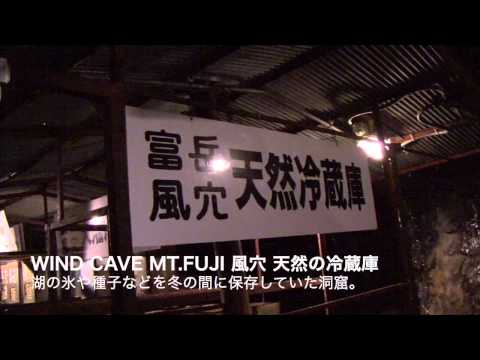
The Wind Cave maintains a consistently cool temperature throughout the year. Its main claim to fame is its use as a storage facility for silkworm eggs.
It’s not as exciting as the Bat or Ice caves, but the Wind Cave is safer. It’s a better choice if you have young children.
Take a look at this video to see what the wind cave is all about:
Hours
- November 1st – November 15th: 9:00am – 4:45pm
- November 16th – March 15th: 9:00am – 4:15pm
- March 16th – March 31st: 9:00am – 4:45pm
- April 1st – April 28th: 9:00am – 5:15pm
- April 29th – May 8th: 8:30am – 5:45pm
- May 9th – July 31st: 9:00am – 5:15pm
- August 1st – August 10th: 9:00am – 5:45pm
- August 11th – August 16th: 8:30am – 5:45pm
- August 17th – August 28th: 9:00am – 5:45pm
- August 29th – October 16th: 9:00am – 5:15pm
- October 17th – October 31st: 9:00am – 5:00pm
Admission
- Adult: 350 yen
- Children: 200 yen
For More Information
Aokigahara Forest

The forest extending from La